
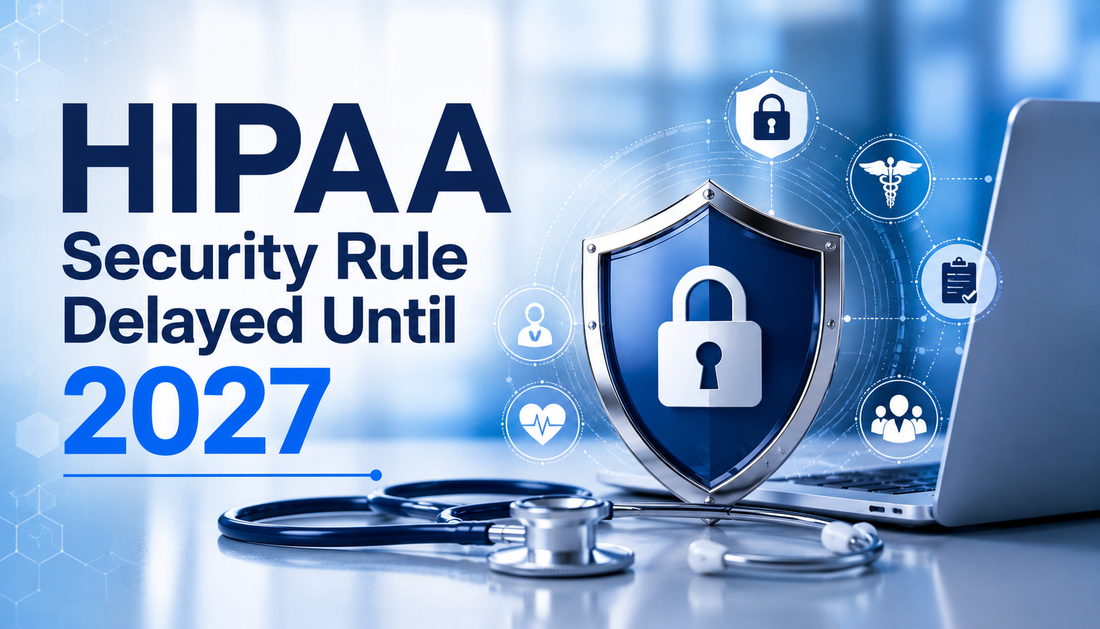
The healthcare sector has also been granted more time to get ready for the proposed changes in the HIPAA Security Rule. Based on the current regulatory time frame, the final rule is scheduled for July 2027, which represents a change from the previous plan of publication.
The delay gives organizations additional time to prepare. However, it should not be used as a reason to postpone important security improvements.
Cyberattacks targeting healthcare continue to increase. In addition, many of the proposed requirements reflect security best practices that organizations should already follow.
Reasons Why There is a Need to Update the HIPAA Security Rule
Over the last ten years or so, there have been no notable improvements to the HIPAA Security Rule, even though the technology and cybersecurity environment within the healthcare industry have experienced a lot of changes.
Healthcare providers, health plans, and business associates now depend highly on complex digital networks to keep, process, and exchange protected health information in electronic form. On the other hand, ransomware attacks, breaches, and access control challenges have become quite common.
Some high-profile cyberattacks within the healthcare industry in recent times have revealed that there is a need for better access controls and a robust security program.
Therefore, regulatory authorities proposed several HIPAA updates to strengthen healthcare cybersecurity.
As a result, healthcare organizations need stronger cybersecurity controls to protect sensitive patient data.
Regulators have proposed these updates to better align HIPAA requirements with modern cybersecurity threats and evolving healthcare technologies. Organizations can also review guidance published by the U.S. Department of Health and Human Services (HHS) for additional information on healthcare security and compliance.
Critical Security Requirements to Prepare for
Even though the final rule has yet to be issued, some of the proposed requirements are good indication of the future of healthcare cybersecurity.
Healthcare organizations need to get ready for increased demands for:
- Multi-Factor Authentication (MFA)
- Data Encryption
- Network Segmentation
- Anti-Malware Measures
- Vulnerability Assessments
- Penetration Testing
- Risk Analyses
- Asset Inventory & Network Mapping
- Backup & Recovery Procedures
- Monitoring of Business Associates
In addition, most of these security controls are already recognized as cybersecurity best practices.
Healthcare organizations should also monitor official HIPAA Security Rule guidance as regulators continue evaluating and refining the proposed requirements.
Why This Extra Time for Preparations Is Necessary
Healthcare organizations have closely examined the proposed Security Rule changes.
Health care organizations raised a lot of concerns regarding costs associated with the implementation of the proposed rule, its complexity, manpower requirements, and the speed at which the organizations will have to implement the proposed amendments. Rural and small organizations were worried about the amount of effort needed to meet the new requirements.
This extra time allows organizations to assess their current status and develop realistic plans for implementation.
Do Not Wait for the Final Rule
Although the final rule is delayed beyond what was initially anticipated, healthcare organizations must not wait for when these regulations will be enforced before taking cybersecurity measures.
The risks confronting healthcare organizations are current; their risks in 2027 have nothing to do with their risks in the present.
During the extra time available, healthcare organizations could undertake the following:
Actions Organizations Can Take Today
- Security risk assessment
- Access control review
- MFA implementation or enhancement
- Backup and disaster recovery improvement
- Vendor and business associate management improvement
- Technological asset inventory creation
- Vulnerability and security gap identification and mitigation
Taking proactive steps now can improve resilience, reduce breach risks, and make future compliance efforts significantly easier.
What about the HIPAA Privacy Rule?
The delays apply to the updated Security Rule but not to other regulations regarding HIPAA.
Meanwhile, regulators continue working on updates designed to enhance patients’ rights, facilitate information exchange, increase care coordination, and decrease administrative burden within the whole healthcare landscape.
At the same time, HIPAA compliance and security professionals should remain aware of ongoing regulatory developments.
Closing Remarks
The postponement of the deadline for HIPAA Security Rule is beneficial for organizations since it gives them additional time to prepare effectively.However, organizations should not delay security improvements because of the extended timeline.
The nature of the cyber attacks changes all the time, and the proposed amendments to HIPAA represent those best practices that are expected in the industry. Organizations that invest in their security measures right now will be well-prepared for the future.
1. What does the HIPAA Security Rule delay until 2027 mean for healthcare organizations?
The delay means healthcare organizations have additional time to prepare for the proposed HIPAA Security Rule updates before a final rule is issued. However, organizations should continue improving cybersecurity controls, as the proposed requirements reflect current security best practices and growing regulatory expectations.
2. What are the proposed changes to the HIPAA Security Rule?
The proposed HIPAA Security Rule updates include stronger cybersecurity requirements such as multi-factor authentication (MFA), encryption, network segmentation, regular risk assessments, vulnerability scanning, penetration testing, enhanced backup and recovery measures, and improved oversight of business associates.
3. Should healthcare organizations wait until 2027 to implement the proposed HIPAA Security Rule requirements?
No. Waiting for the final rule may increase compliance risks and leave organizations vulnerable to cyber threats. Healthcare providers, health plans, and business associates can use the additional preparation time to strengthen security programs, identify gaps, and implement critical safeguards in advance.
4. Why is the HIPAA Security Rule being updated?
The HIPAA Security Rule is being updated to address modern cybersecurity challenges facing the healthcare industry. Since the rule was last significantly updated, healthcare organizations have experienced a sharp increase in ransomware attacks, data breaches, and threats targeting electronic protected health information (ePHI).
5. How can healthcare organizations prepare for future HIPAA Security Rule requirements?
Healthcare organizations can prepare by conducting comprehensive risk assessments, implementing multi-factor authentication, reviewing encryption practices, maintaining accurate asset inventories, strengthening vendor management processes, improving backup and disaster recovery capabilities, and regularly testing security controls.







 German
  English